Why Gaining Islamic Knowledge Is Essential in Today’s World
Jamia Faizululoom
18/12/25
If you have ever felt confused about religious matters, unsure about what is halal or haram, or struggled to balance faith with modern life, you already understand the importance of Islamic knowledge.
In today’s fast-paced world, misinformation spreads quickly, and cultural practices are often mistaken for religious teachings. Gaining authentic Islamic knowledge is no longer optional — it is essential for living a conscious, balanced, and purpose-driven life.
This blog explores why Islamic knowledge matters, how it shapes character, and how Muslims can pursue it effectively in the modern age.
Islamic knowledge helps Muslims understand their faith correctly and practice Islam with confidence
It protects against misconceptions, extremism, and cultural confusion
Learning Islam improves character, decision-making, and daily life
Seeking knowledge is a lifelong obligation for every Muslim
Structured learning, qualified teachers, and authentic sources are key
Table of Contents
Why Is Islamic Knowledge So Important?
Islam is not just a religion of rituals; it is a complete way of life. Without proper knowledge, faith can become weak, practices can become incorrect, and beliefs can be influenced by misinformation.
Here are the key reasons why gaining Islamic knowledge is critical.
1. Islamic Knowledge Strengthens Faith (Iman)
Faith grows with understanding. When a person learns:
Who Allah truly is
Why we worship Him
The wisdom behind Islamic rulings
their connection with Allah becomes stronger.
Blind practice without knowledge often leads to doubt. Knowledge transforms worship from habit into devotion and brings peace to the heart.
2. It Protects From Misguidance and Wrong Practices
Many wrong practices exist today due to:
Cultural traditions being mixed with religion
Incomplete or incorrect information from social media
Lack of access to authentic scholars
Islamic knowledge helps distinguish between:
Sunnah and innovation (Bid‘ah)
Authentic teachings and fabricated beliefs
Personal opinions and Islamic rulings
A knowledgeable Muslim is less likely to be misled.
3. Islamic Knowledge Improves Character and Conduct
The Prophet Muhammad ﷺ said:
“The best among you are those who have the best manners and character.”
Islamic knowledge teaches:
Patience
Honesty
Humility
Respect for others
Responsibility toward society
When knowledge enters the heart, it reflects in behavior, speech, and actions.
4. Helps Muslims Navigate Modern Challenges
Modern life presents many challenges:
Financial dealings
Workplace ethics
Family relationships
Digital and social media behavior
Islamic knowledge provides guidance on how to live ethically while engaging with the modern world. It helps Muslims make informed decisions that align with Islamic values.
5. Seeking Knowledge Is an Obligation in Islam
The Prophet ﷺ said:
“Seeking knowledge is obligatory upon every Muslim.”
This obligation includes:
Basic beliefs (Aqidah)
Acts of worship (Salah, fasting, zakat)
Daily halal and haram matters
Islam encourages continuous learning, regardless of age or background.
Which Islamic Topics Should Be Studied Regularly?
|
Topic Type
|
Description
|
|---|---|
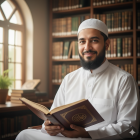
Principal / Nazim-e-Aala
He leads the institution with vision and sincerity, ensuring disciplined learning and strong Islamic and academic standards. He manages daily administration and academics, maintaining a supportive environment for effective Islamic and modern education.